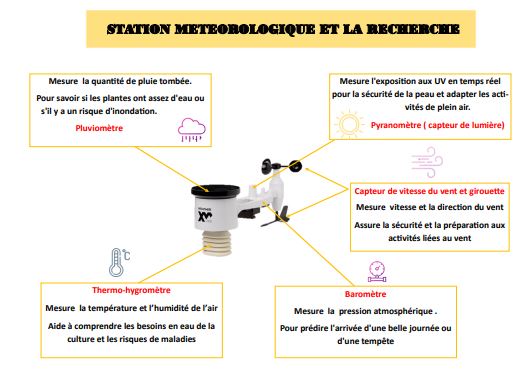
Seasonal climate report over 7 months (October 2025 to April 2026) from the Talatavolonondry weather station
Monitoring climate parameters is crucial in agriculture. Climate parameters greatly influence agronomic parameters. Regular monitoring of these parameters aids in decision-making; for example, the timing of a pesticide treatment is influenced by wind speed, as strong winds are not conducive to pesticide application. Weather data provides insight into the local climate and allows for crop adaptation to these conditions. This is why we place particular emphasis on monitoring local climate data at
5 Jun 2026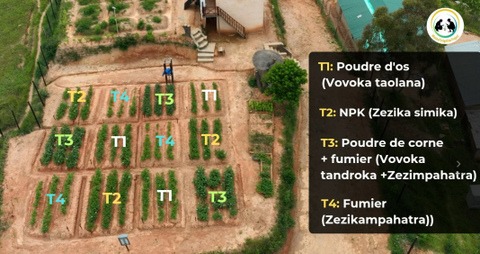
Comparison of the effect of fertilizers on potato tuber yield followed by an economic study to determine the most efficient treatment
We tested four types of fertilizers on potatoes… and here are the yield results: T3: Manure + horn meal → 8.3 T/Ha T2: NPK fertilizer → 8.2 T/Ha T1: Bone meal → 6.29 T/Ha T4: Manure alone → 6 T/Ha The manure + horn meal combination is the most effective. It improves both growth and vegetative development, as well as tuber yield. Economically: ✔️ Up to 130,000 Ar in earnings with T3 ✔️ More profitable than chemical fertilizers
5 Jun 2026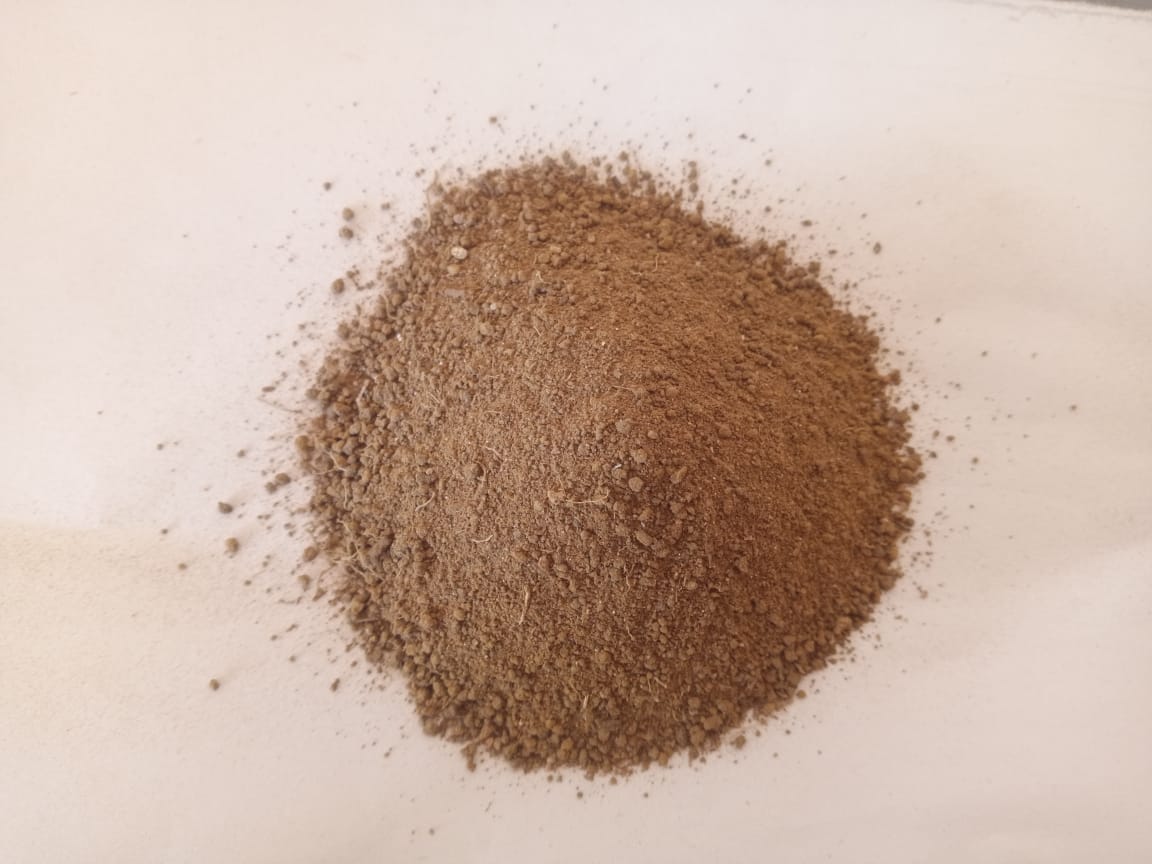
Soil analysis from Alatsinainy Bakaro research station
Main characteristics pH: 3.75 → highly acidic soil Nitrogen (N): extremely low Phosphorus (P): high but largely unavailable because of soil acidity Potassium (K): moderate level This soil can become productive, but correcting acidity is the first and most urgent priority before planting.
5 Jun 2026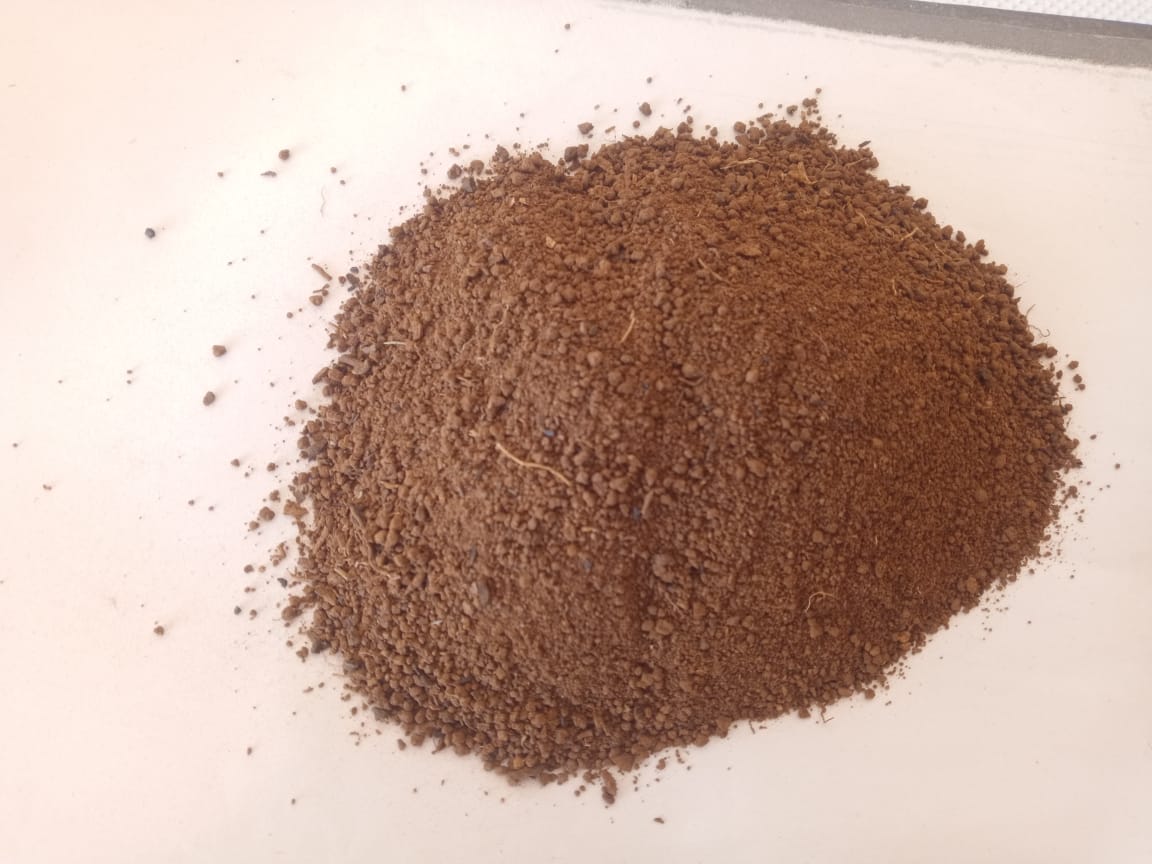
Soil analysis from Ambohitrony research station
Main characteristics pH: 3.98 → highly acidic soil Mineral nitrogen: high Phosphorus: high Potassium: moderate The soil has already good nutrient potential, but high acidity reduces plant access to nutrients.
5 Jun 2026
Vidéo competition
Video competition on agricultural innovation, research dissemination, and agroecological practices for sustainable agriculture and food security
5 Jun 2026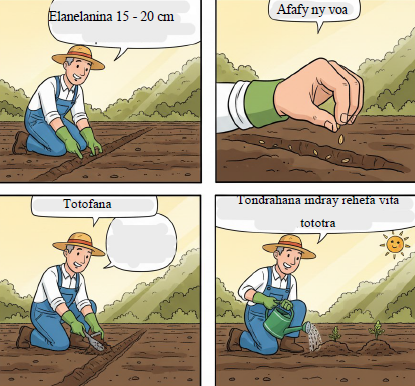
Carrot cultivation methods
4 Jun 2026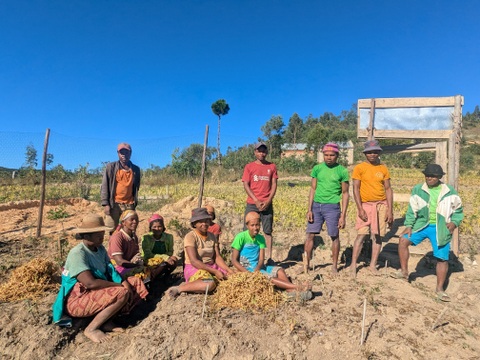
Comparative Evaluation of Different Planting Densities on Productivity and Agronomic Performance of Green Bean (Phaseolus vulgaris)
4 Jun 2026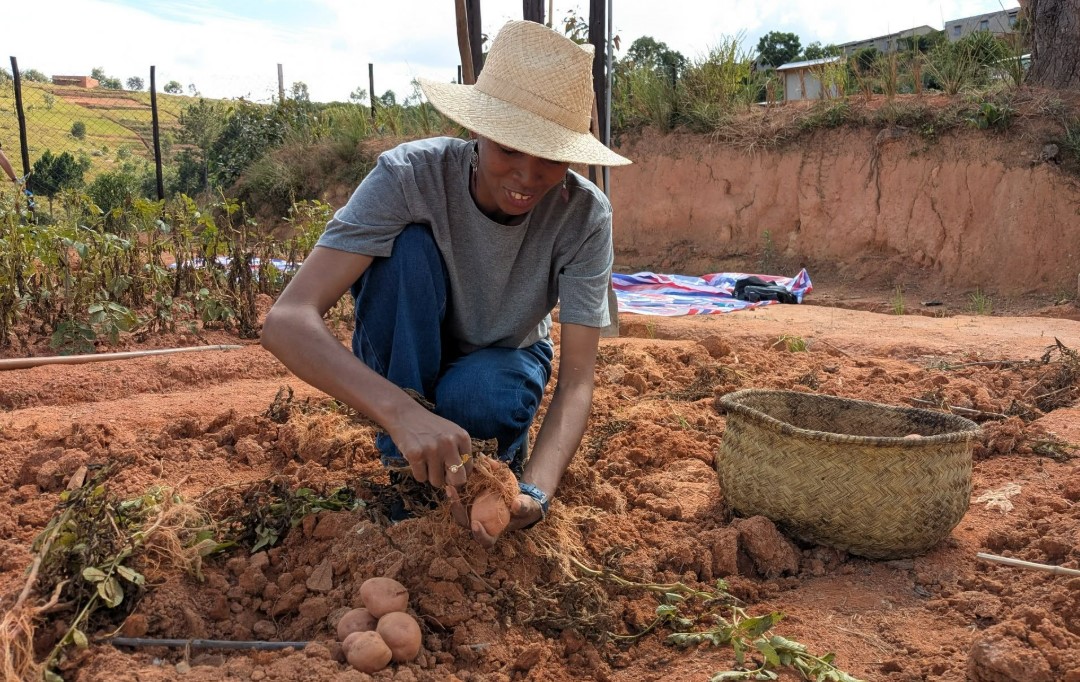
Comparing productivity of potato cultivation under four fertilization treatments
A field experiment was conducted to compare the productivity and economic returns of potato cultivation under four fertilization treatments: cow dung alone, crushed zebu bones, crushed zebu horn mixed with cow dung, and chemical NPK fertilizer.
31 May 2026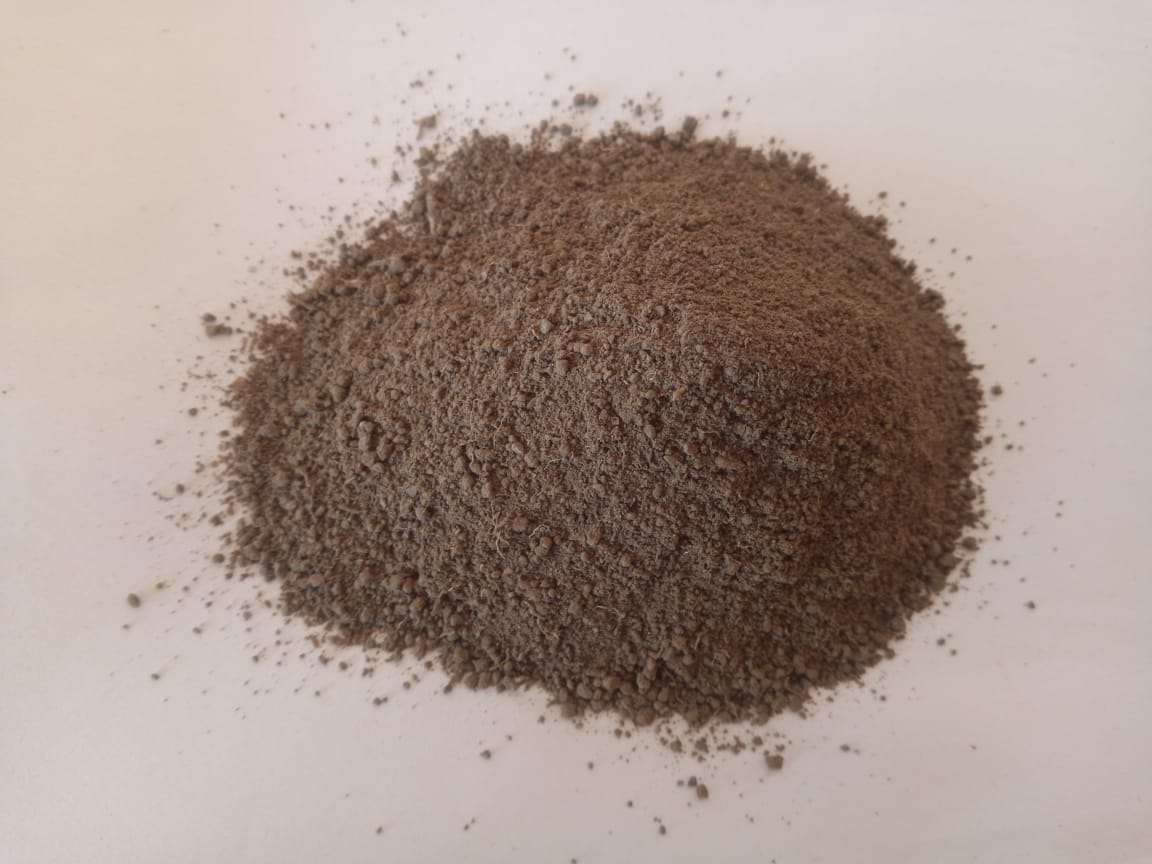
Results of Soil analysis from Mangamila research station
The Mangamila soil is a highly acidic ferralitic soil (pH 5), low in nitrogen and potassium, requiring urgent pH correction before any carrot cultivation can be attempted.
31 May 2026