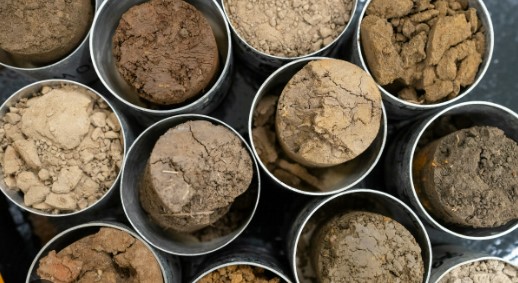
The soil analysis conducted at Mangamila in May 2026, ahead of a planned carrot crop, reveals a sandy-loam brown soil with critically low pH (3.74). Nitrogen (12.78 mg/kg) and potassium (8.13 mg/kg) levels are both very low, while phosphorus shows a high raw value (2172 mg/kg) but is practically unavailable to plants at this pH level, as it becomes locked onto iron and aluminum oxides — a characteristic problem of Madagascar's highland ferralitic soils.
The most urgent intervention is pH correction through an application of dolomitic lime (3 t/ha), to be done 6 to 8 weeks before sowing in order to bring the pH up to a target range of 5.8–6.2. Once the soil is amended, carrot cultivation will require significant nutrient inputs to meet crop demand: mature compost (150 kg/are), composted poultry manure (20–30 kg/are), and wood ash (5–8 kg/are).
If pH correction is not feasible in the short term, more acid-tolerant crops are recommended instead: sweet potato, cassava, ginger, and taro.