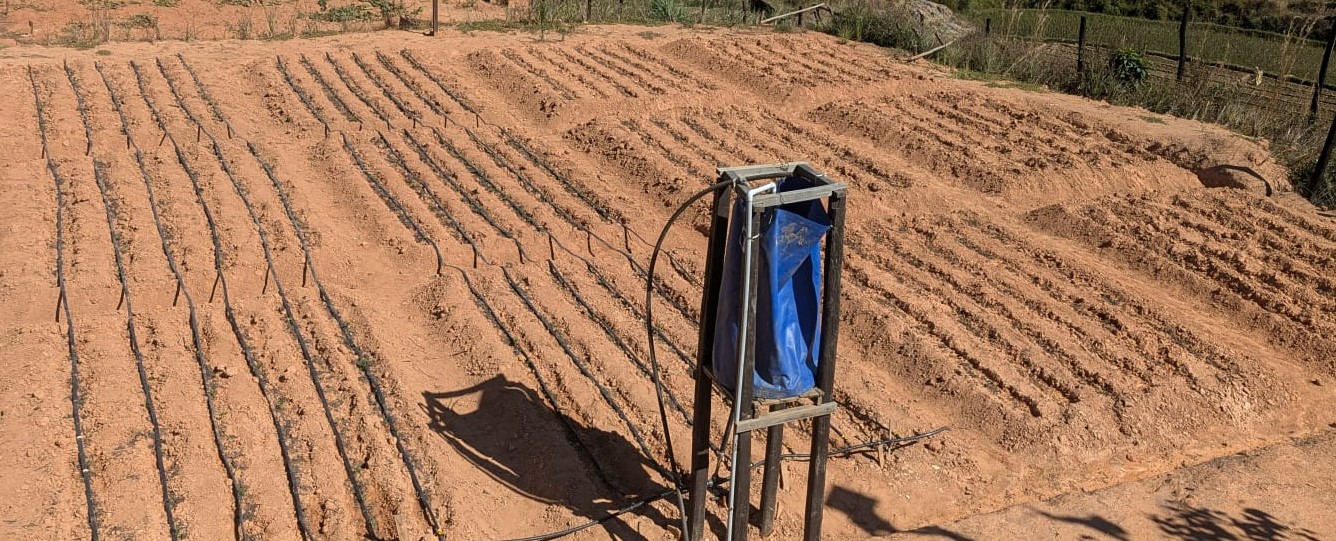
Why this comparison matters
Water scarcity during the dry season (May–July) in Madagascar's highlands makes irrigation management critical for food security and income generation. Conventional irrigation methods are widely used but often inefficient, leading to significant water loss through evaporation and runoff. Drip irrigation, by delivering water directly to the root zone, promises higher water-use efficiency — but its adoption among smallholders is limited by cost and technical knowledge. Comparing both systems provides evidence to guide agricultural extension services and investment priorities.
Why green bean, why dry season
Green bean (Phaseolus vulgaris) is a high-value cash crop well-suited to highland climates and increasingly targeted for export markets, making it economically significant for farmers. The dry season is precisely when controlled irrigation trials are most informative, since rainfall is negligible and all crop water input comes exclusively from irrigation — isolating the effect of each method cleanly. This period also corresponds to a window when market prices for vegetables tend to be higher, amplifying the economic stakes of yield differences.
How we conduct the research
The study would use 2 separate block design with replicated plots under each irrigation treatment, controlling for soil type, seed variety, and agronomic practices. Key measured variables would include total water applied, soil moisture levels, plant growth parameters, final yield, and input costs. Complementing the agronomic data with a cost-benefit analysis — accounting for infrastructure, labor, and water source — would allow conclusions relevant to both research and practical adoption by farmers. (Weather parameters is considered with caution).